
- Posted on
- • Learning
The Audio Bag Toolkit—Mastering Microphone Physics and Signal Literacy
- Author
-
-

- User
- Rusty Rogers
- Posts by this author
- Posts by this author
-
Module 3: The Mixer’s Toolkit — Hardware & Signal Literacy
Before a mixer can master placement, they must understand their tools at a fundamental level. Moving from "how to use it" to understanding what is happening under the hood separates hobbyists from professionals.
Anatomy of an Audio Bag
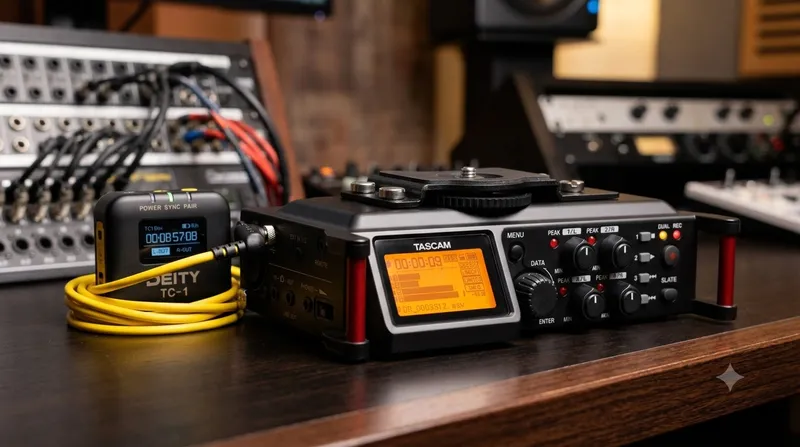
The modern audio bag is more than just a carrier; it’s a mobile studio hub.
- Recorders/Mixers: While brands like Sound Devices offer unparalleled preamps and reliability, Zoom offers incredible versatility for smaller budgets. Understanding the difference between your recorder's input stage and its processing capabilities is vital.
- Wireless Receivers & Monitoring: High-quality headphones are perhaps a mixer’s most critical tool; if you cannot hear the subtle hiss or RF interference in real time, it will find its way into the final mix regardless of how good the gear is.
- Power Management: Batteries are your best friend and worst enemy. A professional always tracks power consumption to ensure they never experience a "dead" take during an actor's emotional climax.
Microphone Physics for Non-Engineers: Polar Patterns
Understanding polar patterns allows you to manipulate what the microphone refuses to hear.
- Cardioid: Rejects sound from the rear, making it ideal for isolating voices in noisy rooms.
- Supercardioid/Hypercardioid: These have much tighter "lobes" of sensitivity at the front but are more sensitive immediately off-axis (to the sides). Knowing how to angle a hypercardioid mic so an actor's shoulder doesn't create a massive audio shadow is essential for clarity.
The Digital Chain & Sample Rates
In professional cinema, we almost exclusively record in 24-bit/48kHz.
- Sample Rate (48kHz): This ensures the frequency response covers what humans can hear while maintaining synchronization with video frame rates.
- Bit Depth (24-bit): Bit depth determines your "dynamic range." In simpler terms, it provides more headroom between the quietest whisper and a loud shout without introducing digital distortion or excessive floor noise during post-production processing.
👉 Return to RR.COM 👈