
- Posted on
- • Learning
Why Bad Audio Kills a Great Video - part 1 of 12
- Author
-
-

- User
- Rusty Rogers
- Posts by this author
- Posts by this author
-
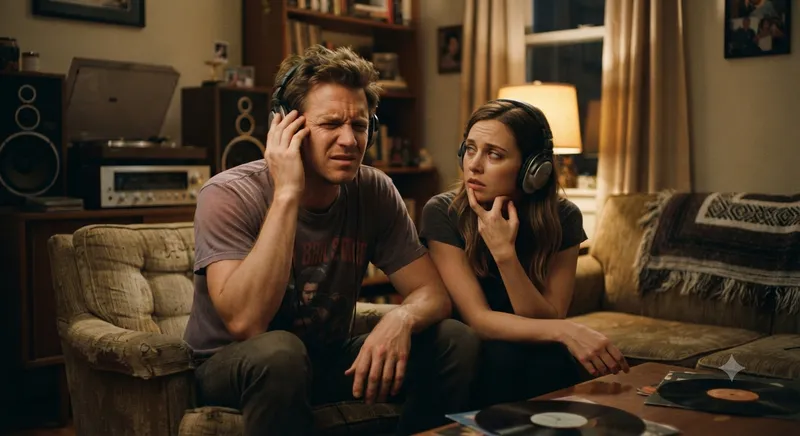
Why Bad Audio Kills a Great Video
You've just finished editing what you think is your best video yet. The visuals are stunning — beautiful lighting, smooth camera movements, compelling performances. Your story is engaging, your pacing is tight. But when you share it with your client or publish it online, the feedback isn't about what you expected.
"It just doesn't sound right."
"The audio was distracting."
"It sounded amateur."
You realize too late that no amount of visual polish can compensate for poor audio.
And here's the hard truth: you're not alone. Research shows that 70% of viewers will abandon a video due to poor audio quality — even if the visual quality is excellent. Bad audio doesn't just annoy viewers; it actively undermines every other element of your production, reduces viewer retention, damages credibility, and can cost you clients and revenue.
In this first post of our "Sound Like a Pro" series, we're going to break down why bad audio is so damaging, the hidden costs it creates, and — most importantly — how professional location sound fixes it.
The Psychology of Audio — Why Viewers Notice First
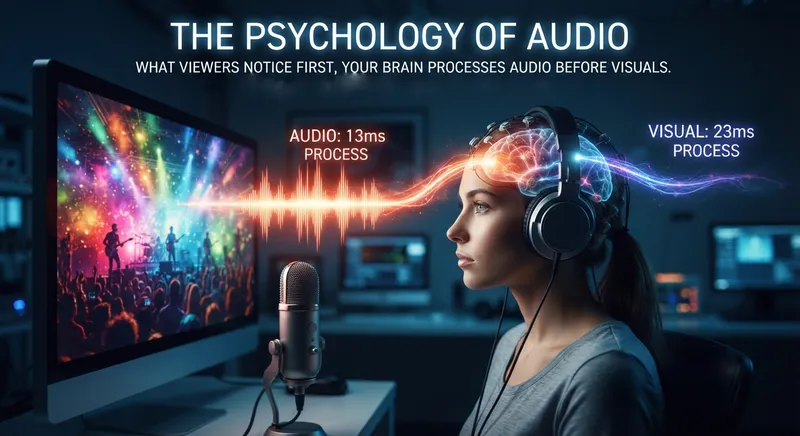
Your Brain Processes Audio Before Visuals
Here's something most video producers don't realize: your brain processes audio information faster than visual information. It's wired that way — evolutionarily, humans developed the ability to detect sounds before they could reliably interpret visual details. A rustling in the bushes? That triggers a response before you even see what's there.
This biological reality has a direct impact on your audience. When someone watches your video, audio sets the emotional stage before they've even processed what they're seeing. The tone of a voice, the ambience of a location, the clarity of dialogue — these all register instantly and shape how viewers feel about your content.
When audio is poor, that emotional connection fractures before the viewer even understands why.
The "Uncanny Valley" of Audio
You've probably heard of the "uncanny valley" in visual effects — when something looks almost human but not quite, and it triggers an instinctive response of discomfort. Audio has a similar phenomenon.
When audio is almost good enough — but not quite — it becomes more distracting than obviously bad audio. Inconsistent sound quality, muffled dialogue, or background noise that wasn't there in the mix all trigger cognitive dissonance in viewers. Their brain knows something is wrong, even if they can't articulate what.
Think about it: great 4K video shot with a phone microphone sounds "off" to the brain. The contrast between what's being seen and what's being heard creates a disconnect that feels unprofessional, even if the viewer can't explain why.
Emotional Impact of Sound
Professional audio doesn't just sound good — it enhances storytelling. Music swells at the right moment. Ambiance grounds the viewer in a location. Clear, consistent dialogue builds trust with the audience. Every sound element works together to create immersion.
When audio is poor, that immersion breaks. Viewers become aware they're watching a video rather than experiencing a story. The emotional distance created by bad audio is one of the fastest ways to lose your audience.
💡 Your audio quality sets the emotional stage before your audience even processes what they're seeing. Poor audio doesn't just distract — it actively breaks the emotional connection your content is trying to build.
The Hard Costs of Bad Audio
Viewer Retention & Drop-Off Rates
Here's where bad audio stops being a creative issue and becomes a business one. Every platform that matters to you — YouTube, Vimeo, LinkedIn, social media — measures success through viewer retention. And bad audio directly impacts that metric.
Studies consistently show that viewers abandon videos with poor audio at significantly higher rates than those with clean, professional sound. And it's not just about individual viewers — platform algorithms favor content that keeps people watching. Lower retention means lower reach. Lower reach means less visibility. Less visibility means less opportunity.
In practical terms: a video with great visuals and bad audio might lose 30-40% of its audience within the first minute. That's not just lost viewers — it's lost leads, lost clients, and lost credibility.
Credibility & Brand Perception
Audio quality is a signal. When someone hears professional audio, they subconsciously associate it with professionalism, attention to detail, and quality work. When they hear amateur audio, the same assumptions flip.
Consider this: two corporate videos about the same company. One has crystal-clear interview audio, balanced music, and consistent sound levels. The other has phone-recorded interviews, background noise, and inconsistent volume. The message might be identical, but the perceived quality of the company will be dramatically different.
Bad audio doesn't just affect one video — it creates a pattern. And patterns define your brand.
The Hidden Costs of Fixing Audio in Post
You've probably heard the phrase "we'll fix it in post." In audio, that's often a dangerous assumption.
While post-production sound design can improve audio, it cannot fully recover what was never captured correctly. ADR (Automated Dialogue Replacement) — the process of re-recording dialogue after filming — is expensive, time-consuming, and rarely sounds as natural as original capture. Some audio issues, like severe background noise or distortion, are simply unrecoverable.
The cost of trying to fix bad audio in post often exceeds the cost of getting it right on set. But beyond the dollars, there's the time cost: hours spent by editors and sound mixers trying to salvage recordings, delays in delivery, and the stress of last-minute fixes.
💡 Bad audio doesn't just annoy viewers — it actively reduces your content's reach, damages your brand's perceived quality, and costs significantly more to fix than to get right from the start.
Common Audio Mistakes That Sabotage Your Production
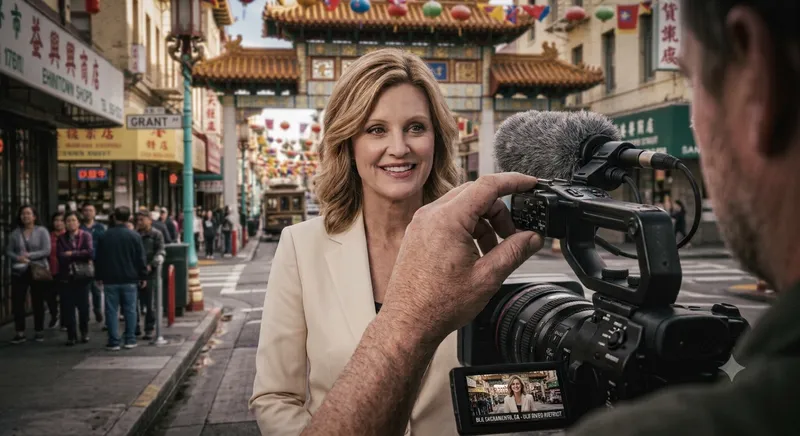
Relying On Camera Microphones Alone
Every camera has a built-in microphone. And every built-in microphone has limitations.
Onboard camera mics are designed for convenience, not quality. They pick up everything: camera handling noise, lens zoom sounds, ambient room noise, and — critically — they're often positioned far from your subjects. That distance means less clarity, more echo, and a noticeable drop in quality.
For simple vlogs or quick social clips, camera audio might be "good enough." But for any production where clarity, professionalism, and storytelling matter, relying solely on camera audio is a mistake.
Ignoring the Environment
The same location can sound completely different depending on the time of day, the weather, and what's happening around it. HVAC systems, traffic, construction, wind — these are just a few of the environmental factors that can ruin an otherwise perfect recording.
Failing to scout for audio issues before filming is one of the most common mistakes producers make. You might find a location that looks perfect visually, only to discover later that it's acoustically challenging, noisy, or unpredictable.
Professional sound mixers factor environment into every location decision. They know where to position microphones, what times work best, and how to plan around predictable noise.
Not Having a Dedicated Sound Person
Audio is a craft. It requires focus, expertise, and real-time decision-making. When you ask a camera operator to manage audio while also handling camera movement, framing, and focus, you're asking one person to do two complex jobs — and both suffer.
A dedicated sound mixer brings focus and expertise to the audio that simply can't be replicated when audio is someone's secondary responsibility. They're listening constantly, adjusting levels, positioning microphones, and troubleshooting issues before they become problems.
Underestimating Sound in Pre-Production
Most production planning focuses on visuals: locations, shots, lighting, wardrobe. Audio often gets relegated to a checkbox: "Make sure someone brings a mic."
But sound deserves the same level of pre-production planning. Location contracts should include sound requirements. Schedules should account for audio challenges. Budgets should reflect the true cost of professional sound.
When audio isn't part of the planning conversation, problems show up on set — and by then, it's often too late to fix them.
💡 Most audio disasters are preventable. The mistakes aren't about expensive equipment — they're about planning, awareness, and understanding that sound deserves its own dedicated focus from day one.
How Professional Location Audio Changes Everything
When you bring a professional location sound mixer into your production, everything changes.
What a Professional Sound Mixer Brings
A professional sound mixer brings more than just equipment — they bring expertise. They know which microphone is right for which situation. They understand signal chains, levels, and how to capture clean, consistent audio in any environment.
Most importantly, they're focused exclusively on sound while your camera team focuses on visuals. That division of labor means both elements get the attention they deserve.
The Result: Content That Works
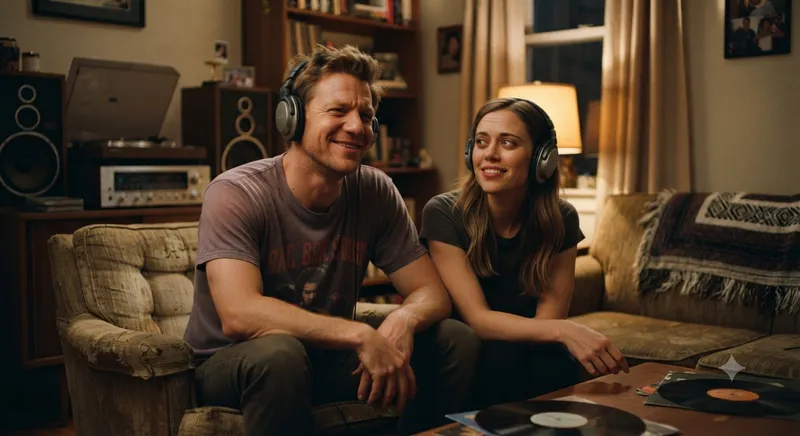 With professional location audio, your dialogue is clear and consistent. Your ambiences ground the viewer in the story. Your music sits perfectly in the mix. And your audience experiences your content the way you intended — without distraction, without frustration, without doubt.
Professional sound doesn't just make your video sound better. It makes it work better — for your story, for your audience, and for your bottom line.
The difference between good and great isn't just about equipment. It's about having professionals who understand how to make every word, every ambiance, and every moment sound exactly as intended.
Ready to Make Your Next Production Sound as Good as It Looks?
Your visuals are already impressive. Now let's make sure your audio catches up.
🎧 [Book a Consultation] — Tell us about your next project, and let's talk about how professional location audio can elevate it. No commitment, just a conversation about your needs.
Or if you'd like to start with something practical:
📋 [Download Our Free On-Set Audio Checklist] — Evaluate your current sound workflow and identify gaps before your next shoot.
What's your worst audio horror story? Share in the comments below — we've all been there, and you're definitely not alone.
Stay tuned for our next post in the "Sound Like a Pro" series: [The Difference Between Good and Professional Audio] Available 10pm PDT October 17, 2026.
Have a production coming up that needs professional sound? [Request a Quote] today and get a custom package for your project.
👉 Home 👈