
- Posted on
- • Learning
What Is a Location Sound Mixer and Why You Need One - part 3 of 12
- Author
-
-

- User
- Rusty Rogers
- Posts by this author
- Posts by this author
-
What Is a Location Sound Mixer and Why You Need One
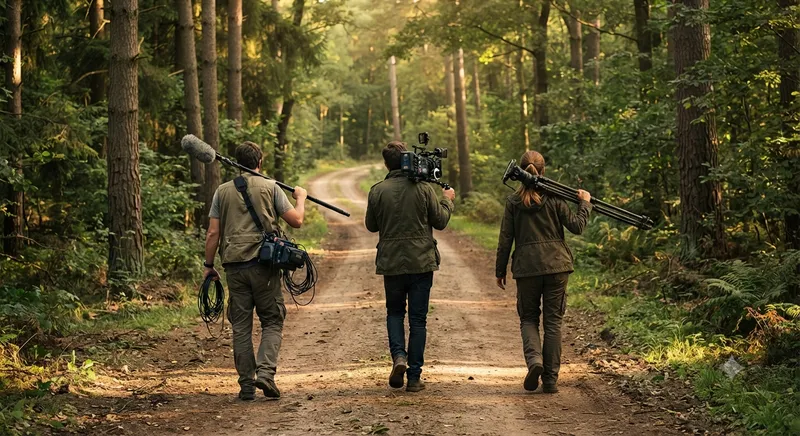
When someone tells you they're hiring a "sound mixer" for their production, you might picture someone adjusting EQ settings in a post-production studio. But a location sound mixer's work happens on set — and it's one of the most impactful decisions you'll make for your project.
We've talked about why audio matters and what separates good audio from professional audio. Now it's time to demystify the role of the professional who makes that professional audio happen: the location sound mixer.
A location sound mixer isn't just someone with a boom mic — they're an audio expert who plans, captures, and manages sound throughout your production. They solve problems before they become disasters and ensure your audio quality matches your visual quality.
Let's break down exactly what a location sound mixer does and why having one on set is one of the best investments you can make.
The Role of a Location Sound Mixer
More Than Just "The Person with the Boom"
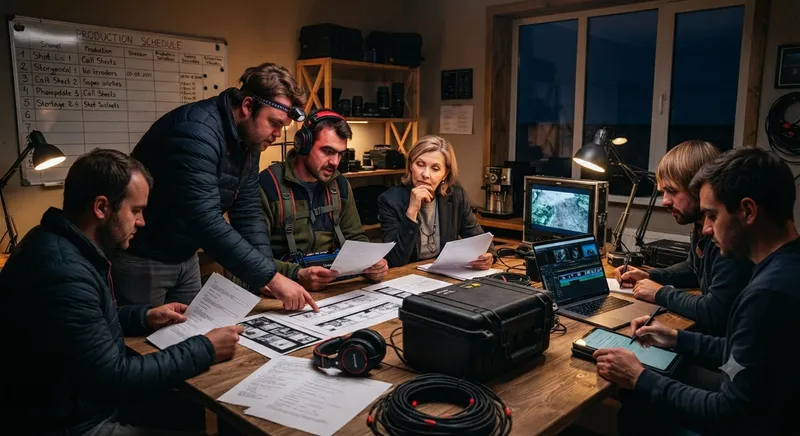
There's a common misconception that a location sound mixer is simply "the person who holds the microphone." While boom operation is part of the job, it's only one element of a complex technical craft that requires specialized training and experience.
A location sound mixer doesn't just record audio — they mix it. That distinction matters enormously. Recording is the act of capturing sound. Mixing is the art and science of balancing, shaping, and optimizing that sound in real-time to serve your production's needs.
Think of it this way: anyone can point a microphone at someone speaking. A location sound mixer ensures that speaker sounds clear, consistent, and professional regardless of the environment, the camera angle, or the unexpected challenges that inevitably arise on set.
The Pre-Production Phase
A location sound mixer's work begins long before the camera rolls. Pre-production is where the foundation for great audio is built, and it's often the most overlooked phase of the process.
Before a single frame is shot, a professional mixer visits locations to scout for audio challenges. They identify noise sources — HVAC systems, traffic patterns, airplane flight paths, construction schedules — and plan around them. They communicate with the production team about sound requirements, ensuring that the camera department, director, and talent are all aligned on audio priorities.
Equipment selection is another critical pre-production task. A professional mixer doesn't grab the nearest microphone and hope for the best. They choose specific microphones for specific situations, configure their signal chain, test all equipment, and prepare backup systems. Every detail is planned and prepared.
The On-Set Phase
When the camera starts rolling, the location sound mixer enters their element. This is where their expertise becomes most visible — or rather, most audible.
A professional mixer monitors audio continuously through headphones, listening for noise, interference, dropouts, and level issues. They make real-time adjustments to microphone position, gain levels, filters, and wireless systems. They communicate with the camera operator about boom placement, coordinate with the director about sound challenges, and manage the entire audio workflow while the production continues around them.
On set, a location sound mixer is constantly solving problems. A plane flies overhead? They adjust. The talent moves unexpectedly? They reposition. The environment changes mid-scene? They adapt. They catch issues before they're recorded, saving time, money, and frustration down the line.
The Post-Shoot Phase
The job doesn't end when the camera stops rolling. A professional location sound mixer's work extends through wrap and into post-production.
After shooting, they manage audio files meticulously — organizing, labeling, and documenting everything the editor will need. They record room tone at every location, create detailed notes about audio challenges and solutions, and ensure that the audio delivery is clean, organized, and ready for post-production.
They also communicate directly with editors, providing context about what was recorded, how to handle specific audio challenges, and recommendations for achieving the best possible sound in the edit. This smooth handoff saves the editor hours of time and ensures the audio supports the story as intended.
💡 A location sound mixer's work spans the entire production lifecycle — from planning before you shoot to supporting editors after you wrap. They're not just recording audio; they're ensuring every element of your sound serves your story.
The Technical Expertise Behind the Sound
Microphone Selection and Placement
Understanding which microphone to use and how to position it is fundamental to professional audio. Different microphones have different characteristics, and using the wrong one for the situation is one of the most common mistakes productions make.
A dynamic microphone handles loud environments and close-miking beautifully. A condenser captures nuance and detail in controlled spaces. A lavalier offers mobility and consistency for talent who move. A shotgun mic captures directional sound from a distance. Each has its place, and a professional mixer knows exactly when to deploy each one.
Proper microphone placement is equally critical. The distance between the mic and the sound source affects clarity, tone, and noise floor. The angle influences how ambient sound is captured versus the desired audio. A professional mixer understands the acoustics of each space and positions microphones to optimize sound quality while staying out of the frame.
Signal Chain and Equipment Configuration
The path sound takes from source to recorder is called the signal chain, and every component in that chain matters. A professional mixer understands this path intimately and configures equipment for optimal sound quality.
Gain staging — setting the appropriate input levels — is one of the most critical technical skills. Too low, and you capture excessive noise. Too high, and you distort the signal. A professional mixer sets levels precisely, monitoring in real-time to ensure clean, consistent audio.
Wireless system configuration requires specialized knowledge. Frequency coordination prevents interference between multiple wireless microphones, and understanding how wireless signals behave in different environments prevents dropouts and distortion. Cable management, preamp selection, and recorder settings all contribute to the final sound quality, and a professional mixer optimizes every element.
Audio Monitoring and Real-Time Decision Making
Here's a critical distinction between good and professional audio: professional mixers monitor continuously. They wear headphones and listen to every take, every line, every ambient sound. They make real-time adjustments — moving the boom mic slightly, adjusting the lav position, changing filters or levels.
Amateur recordings are often set-and-forget. Someone sets up a microphone, hits record, and hopes for the best. There's no continuous listening, no real-time decision making, no adjustment based on what's actually happening.
Professional mixers are constantly listening and adapting. They notice a plane flying overhead and adjust. They hear a conversation getting louder and move the mic closer. They catch a cable buzzing and fix it before anyone else notices. That continuous monitoring is what separates professional audio from recordings that are merely "good enough."
Environmental Sound Management
Professional sound includes managing the acoustic environment, not just reacting to it. A location sound mixer understands how sound behaves in different spaces — how hard surfaces create echo, how empty rooms amplify noise, how architectural features can be leveraged or worked around.
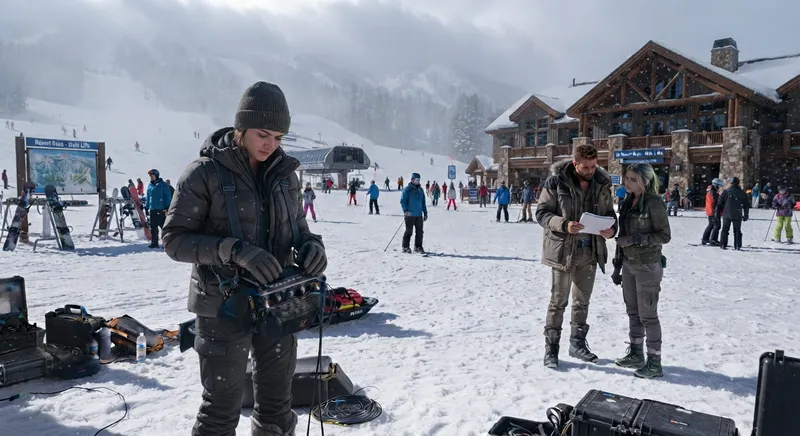 They position microphones strategically to minimize unwanted reflections. They plan shoots around predictable noise patterns. They know when to move a location, change the time of day, or add sound treatment. They understand that the best audio isn't captured despite the environment — it's captured through intelligent management of the environment.
💡 The technical expertise behind professional audio isn't about having the most expensive equipment — it's about knowing which equipment to use, how to configure it, and how to adapt to any situation. That expertise is what separates a location sound mixer from someone who simply points a microphone at a speaker.
Problem-Solving on Set
Common Challenges and Solutions
Location sound mixers face a wide range of challenges every day, and part of their value lies in their ability to solve these problems quickly and effectively.
Wind noise in outdoor environments is one of the most common challenges. Professional mixers use specialized wind protection — dead cats, blimps, and windscreens — and position microphones strategically to minimize impact. They monitor continuously and adjust as conditions change.
Echo and reverb in difficult spaces require careful microphone placement and sometimes additional sound treatment. Mixers know how to position mics to avoid reflecting sound off hard surfaces and how to use soft materials to reduce reverberation when necessary.
Competing ambient noise — traffic, construction, HVAC systems, neighboring spaces — demands creative solutions. Mixers plan around predictable noise, schedule shoots strategically, and use directional microphones and filters to isolate the desired audio.
Wireless interference and dropouts are technical challenges that require expertise. Mixers coordinate frequencies, position receivers optimally, and have backup systems ready to go when primary systems fail.
Power management and battery life require constant monitoring. Mixers track battery levels, rotate spare batteries systematically, and plan for extended shoots to ensure nothing dies unexpectedly.
Real-Time Adaptation
The ability to adapt in real-time is what separates experienced mixers from novices. Conditions change constantly on set — talent moves unexpectedly, environmental noise fluctuates, camera angles shift, and the unexpected always happens.
A professional mixer anticipates these changes and adjusts proactively. When talent moves across a set, the mixer moves with them. When noise increases, they reposition or add protection. When camera angles change, they find new positions that maintain audio quality without interfering with shots.
This real-time adaptation requires experience, training, and constant focus. It's the difference between a production that's disrupted by audio problems and one where the audio team solves issues before anyone else notices.
The Cost of Not Having a Mixer
When productions don't hire a dedicated sound mixer, audio problems go unnoticed until they're recorded. That's when the real cost appears — in time lost, money wasted, and stress incurred trying to fix problems that could have been prevented.
The myth of "fixing it in post" is dangerous because many audio problems cannot be fully recovered. Noise reduction software can't restore dialogue buried under traffic noise. EQ can't fix distorted recordings. Time spent salvaging audio in post is time that could have been spent improving the edit.
Prevention is always cheaper than repair. A location sound mixer catches problems on set, when they can be fixed instantly, rather than after the fact, when they often can't be.
💡 A location sound mixer's ability to solve problems in real-time saves time, money, and stress. They catch issues before they're recorded and adapt to challenges that would derail an unprepared production.
The Communication Bridge
Working with the Camera Department
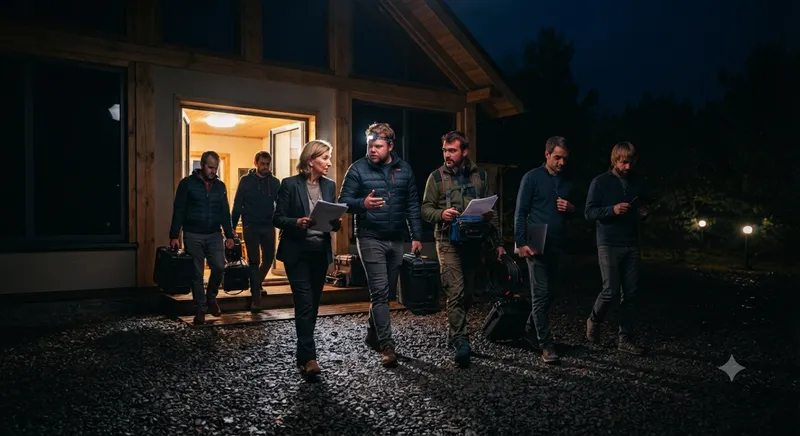
A location sound mixer is an integral part of the production team, and their collaboration with the camera department is essential for success.
Mixers communicate constantly with camera operators about microphone placement, especially boom positioning. They work within the frame restrictions set by the director while ensuring the microphone gets as close to the talent as possible. They anticipate camera movements and adjust mic positions proactively.
This collaboration requires clear communication, mutual respect, and a shared understanding that audio and visual quality are equally important. A professional mixer understands the camera department's needs and works to support them while protecting audio quality.
Liaison Between Talent and Director
Location sound mixers also serve as the audio advocate for talent and the director, ensuring that everyone's needs are met.
With talent, mixers manage microphone placement and wireless pack positioning to ensure comfort while maintaining coverage. They communicate about movement and performance needs, helping talent feel confident that their audio will be captured cleanly.
With the director, mixers provide real-time feedback about audio quality, alerting them to issues that need to be addressed before the next take. They communicate solutions quickly and efficiently, ensuring the production moves forward without compromising sound quality.
Connecting Production to Post-Production
The handoff to post-production is where the location sound mixer's documentation and organization skills shine.
Professional mixers provide editors with clean, organized audio files, complete with detailed notes about what was recorded, how it was captured, and any challenges encountered. They include room tone files, slate information, and scene-by-scene documentation that saves editors hours of time.
This smooth handoff ensures the editor can focus on storytelling rather than troubleshooting audio issues. It's the final piece of the location sound mixer's value — ensuring the audio they captured on set serves the story in post-production just as effectively as it did on set.
💡 A location sound mixer is the audio department's advocate on set. They communicate audio needs to the crew, protect the director's vision while ensuring quality sound, and ensure a smooth transition to post-production.
What Happens Without a Location Sound Mixer?
The Camera Operator's Dilemma
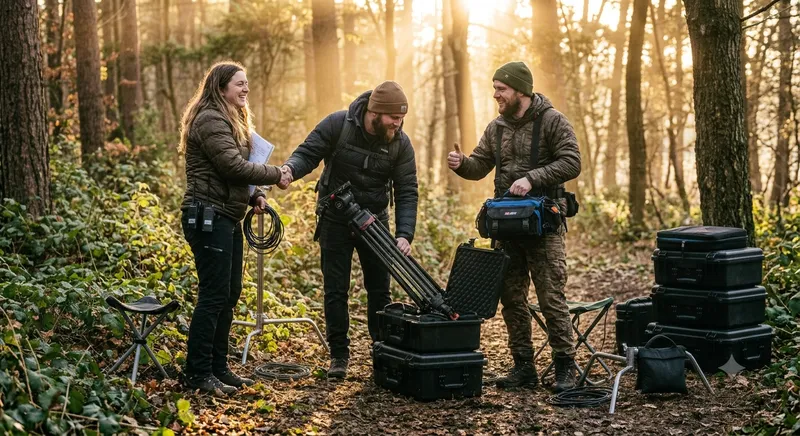
When productions skip hiring a dedicated sound mixer, audio management often falls to the camera operator. This creates an impossible conflict — the camera operator is responsible for framing, focus, and camera movement while also trying to monitor audio, adjust levels, and manage microphones.
One person cannot effectively do both jobs. The result is compromised quality in both areas. The camera operator becomes distracted, shots suffer, and audio quality becomes an afterthought.
The "Good Enough" Trap
Productions without dedicated sound people inevitably settle for "good enough" audio. They use camera microphones, skip monitoring, and hope for the best. They accumulate small audio problems that compound over time, creating a production where the audio feels consistently "off."
Over time, "good enough" becomes the new standard. Viewers watch but don't engage. Clients accept but don't praise. The production doesn't stand out, and the team never realizes how much better it could be with professional audio support.
The Post-Production Nightmare
Editors handed poor quality audio face hours of work trying to salvage recordings. Noise reduction, EQ, compression, and other fixes consume time that should be spent on creative editing. The final product often still sounds compromised, and the editor is left wondering why the audio is fighting them every step of the way.
The difference between prevention and damage control is enormous. A location sound mixer prevents audio problems on set. Without one, post-production becomes damage control — more expensive, more time-consuming, and ultimately less effective.
💡 When productions skip hiring a location sound mixer, audio quality becomes an afterthought. The result isn't just worse sound — it's more time, more money, and more frustration trying to fix problems that could have been prevented on set.
The ROI of Hiring a Professional
Time Savings
A location sound mixer saves time across the entire production. On set, they catch issues immediately, preventing retakes. In post-production, their organized, clean audio delivery means editors spend less time fixing audio and more time telling stories. Fewer audio-related reshoots mean faster delivery timelines and less stress for the entire team.
Quality Improvements
Professional audio is consistent, clean, and balanced. It matches the quality of your visuals and enhances your storytelling. Viewers engage more deeply, clients are more satisfied, and your work stands out in a crowded market. The competitive advantage of broadcast-quality sound is real and measurable.
Client Perception
Professional audio affects client perception more than most producers realize. Clients notice even when they can't articulate why. They associate clean, consistent audio with professionalism, quality, and attention to detail. When your audio matches your visual quality, you're perceived as a complete, professional production partner — not just a video creator.
💡 The investment in a location sound mixer pays for itself in saved time, reduced post-production costs, improved quality, and happy clients. It's not an expense — it's insurance for your entire production.
When to Hire a Location Sound Mixer
Projects That Always Need a Mixer
Commercial and corporate productions require professional audio to maintain brand credibility. Interviews and documentaries depend entirely on clear dialogue. Narrative and scripted content needs consistent, broadcast-quality sound across multiple scenes. If audio quality affects the outcome of your production, you need a location sound mixer.
Projects That Benefit from a Mixer
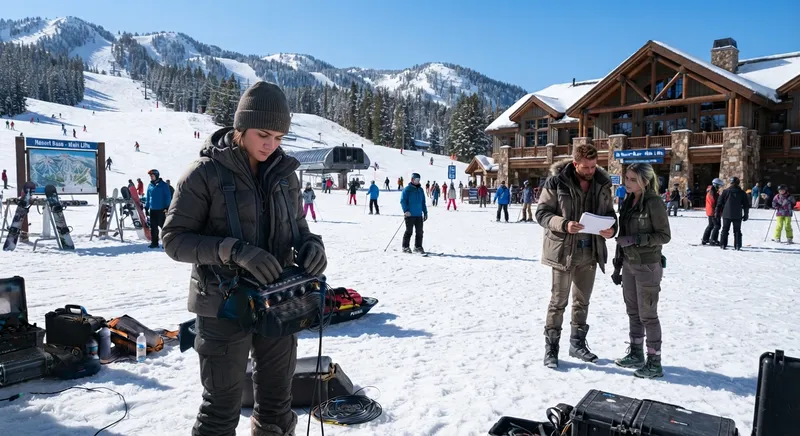
Social media content benefits enormously from professional audio because attention spans are short and viewers abandon videos quickly. Educational and training videos need clear, consistent dialogue for effective learning. Event coverage and live recordings face unpredictable environments that demand experienced audio management.
Signs You Need to Hire a Mixer
If you're experiencing audio issues in previous productions, if viewers or clients comment on audio quality, if post-production is taking longer than expected due to audio problems, or if you're feeling overwhelmed by audio responsibilities, it's time to hire a location sound mixer. These aren't signs of failure — they're signals that professional audio support would improve your entire production workflow.
Ready to Elevate Your Production with Professional Sound?
Whether you're producing a commercial, documentary, or social media content, a location sound mixer ensures your audio matches your visual quality. They solve problems before they become disasters, save time and money, and deliver professional sound that enhances your storytelling.
[Book a Consultation] to discuss your next project and let's make your sound as professional as your vision. Or [Request a Quote] to get pricing for your specific production needs.
Missed Post #2? Read [The Difference Between Good and Professional Audio] to understand what separates acceptable audio from broadcast-quality sound.
What's your biggest audio challenge on set? Share in the comments below — we're all learning together.
Coming next: [How We Prep for Your Shoot Before We Arrive.] Available November 21, 2026 Subscribe to the "Sound Like a Pro" series so you don't miss it.
Have a production coming up that needs professional sound? [Contact Us] today and let's make your next project sound exactly as intended.
👉 Home 👈